How to follow up with potential clients without feeling pushy
Disclosure: This blog may contain affiliate links or paid partnerships. I may earn compensation if you click a link or make a purchase, at no additional cost to you.
Have you ever had a promising conversation with a potential client, then hesitated to follow up because you didn’t want to seem pushy?
I’ve been there.
Even after years in business, I still have days when I don’t feel like following up. I’ve also experienced the difference a thoughtful follow-up can make, both in my own coaching business and in the businesses I work with.
Often, you’ve already put time into meeting people, building relationships and understanding what they need. They’ve expressed interest. Perhaps you’ve sent information or a quote. Then things get busy, and neither of you takes the next step.
How do you keep that conversation going in a way that feels natural to you and useful to them?
Prefer to watch? Watch Fleur’s video on following up with potential clients.
Start with what mattered in the first conversation
Following up can feel uncomfortable when we imagine it means repeatedly asking, “Have you decided yet?”
I don’t think anyone enjoys receiving that message over and over. It gives the person very little to respond to unless they’re ready to buy.
Think back to your original conversation.
What were they trying to achieve?
What was getting in the way?
Was there something they wanted to understand before making a decision?
After speaking with you, they’ve gone back to their own busy day. They may still be interested but need to work out how your service fits their situation. Perhaps they need to speak with a colleague or clarify their priorities.
Your follow-up can help them take that next step.
It might answer a question, explain something relevant or invite them to talk through an uncertainty.
You’re giving someone who has expressed interest an opportunity to decide whether your help is right for them.
Agree on a natural reason to reconnect
Sometimes the easiest follow-up begins before the first conversation ends.
You might say:
“We’ve covered a few ideas today. I could summarise these and send them to you in an email. What’s your best email address?”
The person knows what you’re offering and why you’ll be in touch. You’ve asked permission, and you have something specific to send.
That won’t suit every conversation.
You might instead agree to send a quote, share a relevant resource or reconnect after they’ve discussed the idea with their team.
Whatever you agree, make a note of it. Include the detail that mattered to them, rather than relying on your memory later when you return to your desk.
Then follow through on what you promised. That small action is part of how someone experiences working with you, even before they become a client.
Give people a chance to ask their next question
In my coaching business, I often speak with someone who is considering coaching and then send information at their invitation.
I could leave it there and assume they’ll get back to me if they’re interested. But I’ve had many clients confirm after I’ve followed up and offered a short phone call.
On that call, we can explore how the information relates to their business and what they want to achieve. They can ask questions, and I can better understand whether I can help them.
Reading about a service and discussing what it would mean for your own circumstances are different experiences. Someone may understand how coaching works without yet seeing how it could help with the particular challenge they’re facing.
Of course, every call doesn’t end with a new client. Sometimes the timing isn’t right, or we discover they need a different kind of support. That’s useful to know too.
The conversation helps both of us make a more informed decision.
If you’d like to put these ideas into practice, my free Simple Follow-up Kit includes examples and space to write down a process for your business.
What fresh eyes can reveal about your follow-up
Looking for gaps in follow-up is one of the first things I do when working with a business owner.
When you’re close to the day-to-day running of your business, it can be difficult to notice where conversations are stalling. Sending the quote might feel like completing the task. From the potential client’s perspective, it may be the point where new questions begin.
Having fresh eyes on your business can help you see those gaps. Someone can ask what happens after an enquiry, who takes responsibility and how you know whether the person received what they needed.
I saw this in a printing business I worked with. Quotes were already going out, but we introduced a second, personalised follow-up after they were sent. It had an immediate positive impact on customer satisfaction and revenue.
That follow-up created another opportunity to understand the customer’s needs.
For example, a couple of days after sending a quote, you might ask:
“Did you have any questions about the quote for your project?”
You could also refer to something they told you was important, such as their deadline or uncertainty about the options.
Their answer gives you something useful to work with. They may need more information, have changed their priorities or want to discuss a detail before proceeding.
Write down a process you can return to
Knowing what to say helps, but you still need to make time to say it.
What helps me is having a written process I’ve committed to. I’m not deciding from scratch whether to follow up every time I sit down at my desk.
Start by identifying what prompts a follow-up in your business.
It could be an enquiry, a referral, a meaningful networking conversation or a quote being sent.
Record the person’s details, what they’re interested in and anything you agreed to provide. Add the next action and when you’ll take it.
Keep this manageable.
The purpose is to make the next step visible, so a promising conversation doesn’t depend on you remembering it while doing everything else.
If you work with a team, make responsibility clear. Otherwise, everyone can assume someone else has been in touch. Even if you work alone, including a place to record responsibility makes the process easier to hand over as your business grows.
Know when to leave the next move with them
Your process also needs to account for people who don’t respond.
Depending on the conversation, you might reconnect once more with something relevant, ask whether a later time would suit or leave the next move with them.
If someone asks you to stop contacting them, respect that. If they ask you to return to the conversation later, record what you’ve agreed.
A follow-up process should help you pay attention to the person. There’s little value in continuing to send messages that ignore what they’ve already told you.
Make follow-up part of your week
Give yourself a regular time to follow up and review how it’s working.
Are people responding?
Are you having meaningful conversations?
Are more enquiries becoming clients?
Where are people still getting stuck?
Those questions can help you improve the process. You might discover that people need a clearer explanation, a different next step or a little more time.
This week, choose one enquiry or conversation you haven’t followed up on. Think about what would genuinely be useful to that person now, and start there.
Create your own simple follow-up process
The free Simple Follow-up Kit gives you examples and space to write down each step, so you have a process to return to, even on the days you don’t feel like following up.
Get the free Simple Follow-up Kit → https://www.askfleur.com/follow-up-kit

Welcome to my blog, I’m Fleur and I'm delighted you're here.
As a Business Educator and founder of Ask Fleur. I help business owners and professionals, just like you, to achieve sustainable growth without burnout by combining practical strategy with evidence-based coaching. As a Certified Success Principles Trainer and Accredited ICF Coach, I partner with you to gain clarity, build confidence, and create success on your terms.
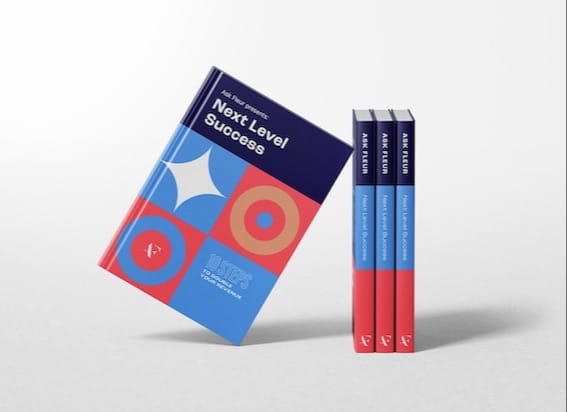
Receive my full 10 step Coaching Framework in the Next Level Success Roadmap

Subscribe to receive business articles fortnightly to level up your skills.
© 2026 Ask Fleur


© 2026 Ask Fleur