[Episode 67] Reflect, Refocus, Reset: Using Simple Tools to Shape Your Next 90 Days
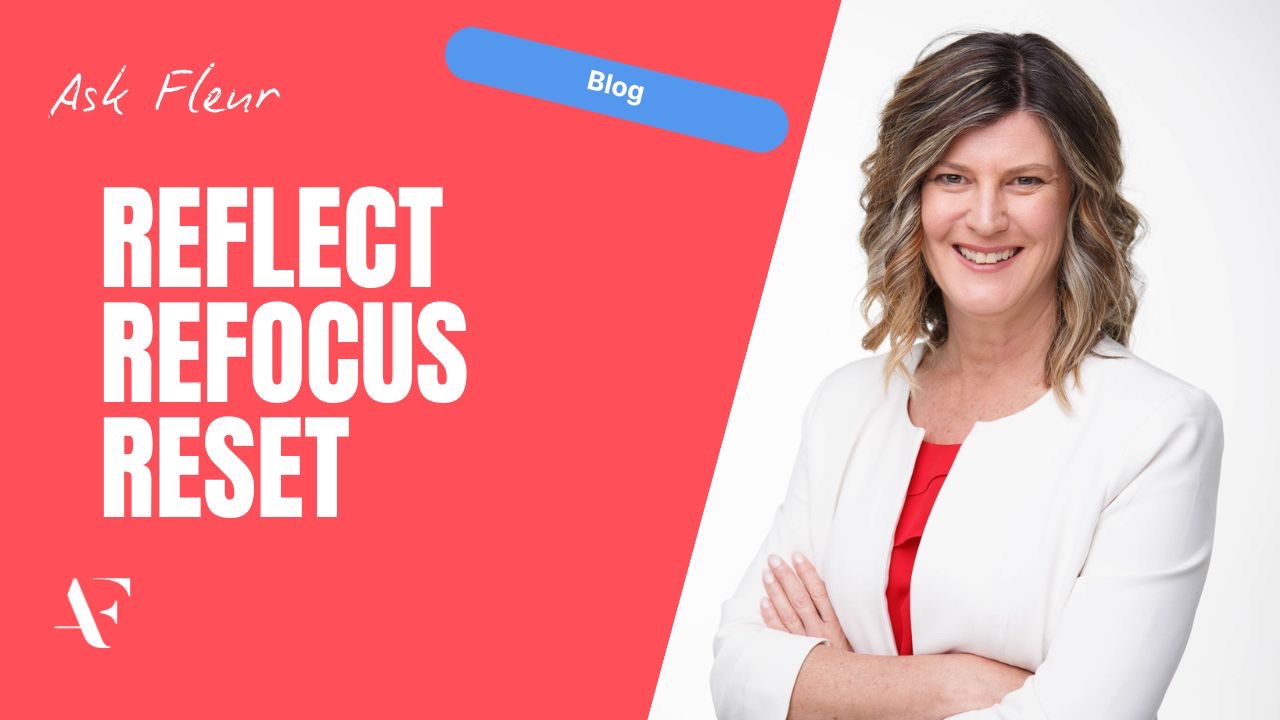
At our most recent Boost Your Business: 90-Day Planning Workshop, themed Review the Year That Was, we created space to pause, reflect, and intentionally plan what comes next.
One of the things I consistently hear from people in business is this:
“I know I need to plan, I’m just not sure what to focus on or where to start.”
That’s precisely why, in this workshop, we introduced two simple but powerful business tools to support reflection and forward planning:
-
The Business Model Canvas (often referred to as a one-page business plan) from Business Model Generation by Alexander Osterwalder & Yves Pigneur.
-
A SWOT Analysis Albert Humphrey (SRI): Often cited as the creator.
Used well, these tools help you step out of the day-to-day and look at your business with clarity and perspective, without overcomplicating things.
Why Simple Tools Still Matter
You don’t need a 40-page business plan every quarter.
What you do need is:
-
A clear lens
-
Focused thinking time
-
Tools that help you make better decisions
Both the Business Model Canvas and SWOT Analysis do exactly that, especially when you apply them with intention.
The Business Model Canvas: A One-Page View of Your Business
The Business Model Canvas, developed by Alexander Osterwalder and Yves Pigneur and popularised throughthe publication Business Model Generation, provides a clear, visual snapshot of how your business works, all on one page.
It encourages you to consider:
-
Who you serve
-
What value you create
-
How you deliver that value
-
How revenue flows
-
What resources, partners, and activities support it
What I love most about this tool is its flexibility.
Use One Clear Lens
Rather than trying to analyse everything at once, I encourage clients to focus on a specific area.
For example, if your priority for the next 90 days is reviewing and implementing new pricing, create your Business Model Canvas through that lens.
Ask questions such as:
-
Does our value proposition clearly justify our pricing?
-
Which customer segments are most aligned with the new price structure?
-
How do our cost structures and revenue streams support sustainability?
Suddenly, the tool becomes practical, not theoretical.
For those interested in the origins and structure of the canvas, this LinkedIn article provides a helpful overview: Business Model Generation by Andrés E. Crucetta Nieto.
SWOT Analysis: Understanding Capacity and Context
Alongside the Business Model Canvas, we revisited a classic tool: the SWOT Analysis.
SWOT stands for:
-
Strengths
-
Weaknesses
-
Opportunities
-
Threats
It’s often cited as being developed by Albert Humphrey at Stanford Research Institute (SRI), as part of a broader study into why corporate planning failed. Over time, the language evolved, shifting from “Faults” to “Weaknesses” and “Satisfactory” to “Strengths”.
Internal vs External Focus
One of the most important distinctions to remember is this:
-
Strengths and Weaknesses are typically internal, things you can influence or control within your business.
-
Opportunities and Threats are usually external factors in the market or operating environment that you may not control, but must respond to.
When used alongside the Business Model Canvas, a SWOT analysis helps you assess capacity.
Continuing the pricing example, your SWOT might explore:
-
Strengths: strong client relationships, clear differentiation, proven results
-
Weaknesses: inconsistent messaging, lack of pricing confidence, systems not yet aligned
-
Opportunities: market readiness, increased demand, reduced competition
-
Threats: cost-of-living pressures, competitor discounting, economic uncertainty
This isn’t about judgment, t’s about awareness to be able to build your capacity.
If you’d like a deeper dive, you can also revisit my earlier blog post: [Success Coach Tutorial Episode 11]: The Power of SWOT Analysis in Strategic Planning
Bringing It Together for Your Next 90 Days
When these tools are used together, and with a clear focus, they support better decisions, calmer leadership, and more aligned action.
They help you:
-
Step out of reaction mode
-
See your business as a system
-
Make intentional choices about what to prioritise next
You don’t need to overhaul everything at once.
You just need to choose one focus, apply the right lens for you at this time, and plan with purpose.
That’s what our 90-day workshops are designed to support, not perfection, but progress.
If you’d like to join the next Boost Your Business 90-Day Planning Workshop or explore how these tools apply specifically to your business, you’re always welcome to join us. Find out more here.
Your version of success starts with clarity, and sometimes, one well-used page is all you need.
👉 Download the SWOT Planning PDF